Ms. Bumbleflower Peace Offering Precon: Upgrade Guide
The precon muddles three strategies and commits to none. Here is how to fix it for $50 and make the rabbit actually go

Peace Offering: Honest Assessment
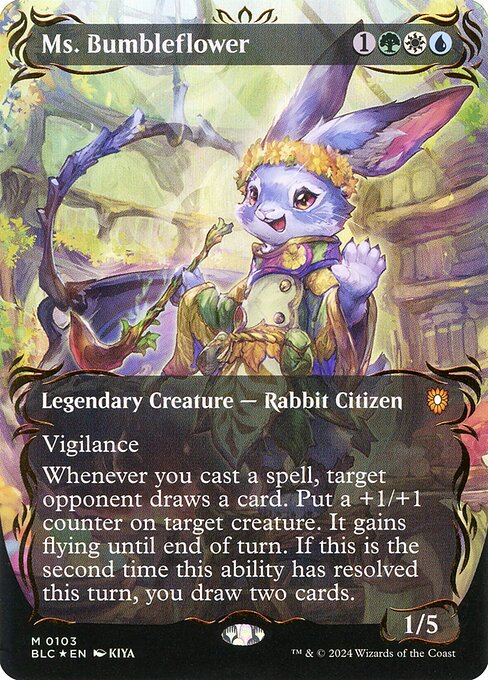
Ms. Bumbleflower has one of the most quietly powerful triggers printed on a precon commander in years. Cast your first spell, her trigger fires: a target opponent draws a card, and a creature gets a +1/+1 counter plus flying. Cast your second spell that turn, the trigger fires again, and this time you draw two cards. Two spells a turn and you're building a board while refilling your hand. That's an actual engine, not a collective-benefit gimmick.
The problem is the precon doesn't cast two spells a turn. Turn five. Bumbleflower has been out for two turns. You've triggered her second-spell ability exactly once, because your hand is full of clunky sorceries and reactive political tools that don't chain. You have Gluntch, the Bestower doing end-step political management. You have Kwain, Itinerant Meddler tapping to let everyone draw. You have Secret Rendezvous giving one opponent three cards with nothing to punish them for holding those cards. The deck has three different identities and commits to none of them.
Three structural problems: not enough cheap spells to chain, no counter-doubling payoffs to compound the single counters she dishes out, and defensive tools like Ghostly Prison and Promise of Loyalty that buy you time without giving you a plan to convert that time into a win.
Two paths forward. Path one stays on Bumbleflower: build a spell-chain engine that fires her second trigger multiple times a turn, back it with counter doublers, and win through the enchantment or Psychosis Crawler drain, which bleeds each opponent for every card you draw, not every card drawn across the table. Path two switches to Mr. Foxglove and builds a clone-fueled card advantage bomb that cheats giant threats into play. This guide is about path one. Thirty dollars and fifteen deliberate cuts fixes the backbone.
The Keepers: Don't Touch These
These ten cards belong in every version of this upgrade. Some are genuinely powerful. Some are synergistically irreplaceable. Some cost real money to replace and you already own them. The skeleton stays.
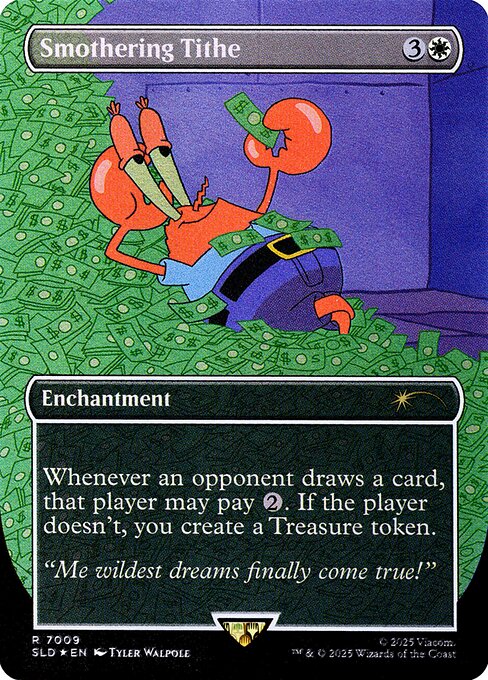
- Smothering Tithe: Bumbleflower gives opponents a card every single spell you cast. Tithe converts every one of those draws into a Treasure token unless they pay two mana. In a full table where Bumbleflower is firing twice a turn, Tithe generates four Treasures per turn cycle. Pays for itself fast. Keep it.
- Faerie Mastermind: Flash creature that draws you a card whenever an opponent draws their second card each turn. Bumbleflower guarantees this fires constantly. The flash tag means you cast it at instant speed, which also serves as a free second-spell trigger for Bumbleflower on opponents' turns. Wins quietly while everyone's watching something else.
- Selvala, Explorer Returned: Parley taps for one mana per nonland card revealed, draws everyone a card, and gains you life. Cheap, ramps, and triggers every group-hug payoff in the deck simultaneously. All-star.
- Faeburrow Elder: The ramp anchor of the entire build. In a Bant deck with a rainbow of permanents, it's tapping for three or four mana off a single activation, and that number keeps climbing as the board develops.
- Ghostly Prison and Propaganda: Both are in the box. Together they're the entire reason you survive long enough for the proliferate engine to compound. Do not cut either. The pillow fort is load-bearing.
- Kami of Whispered Hopes: Enters with +1/+1 counters equal to the existing counters across your permanents, then taps for X mana where X is its power. Once Forgotten Ancient is stacking counters and Bumbleflower has been distributing them for a few turns, Kami becomes a mana engine that runs away with the game. Does far more work than it looks.
- Tamiyo, Field Researcher: Her ultimate is Ancestral Recall meets Omniscience, and she can get there. On the way, she draws cards off attacking creatures and taps down threats. Legitimate power card in the original list and she's not going anywhere.
- Simic Ascendancy: Already in the box, accumulates growth counters passively off every counter placement, and closes games that have gone long. The longer it sits on the table unaddressed, the harder it is to stop. Underestimated by most opponents, which is exactly what you want.
- Jolrael, Mwonvuli Recluse: Bumbleflower draws you a pair of cards on her second trigger, which means Jolrael creates a 2/2 Cat token every active turn at zero additional cost. She's free value that compounds over a long game.
- Wan Shi Tong, Librarian: Enters loaded with counters and draws a card whenever an opponent searches their library. Bridges the group-hug and counter-growth plans in one card. Perfect on-theme inclusion.
What's Holding the Deck Back
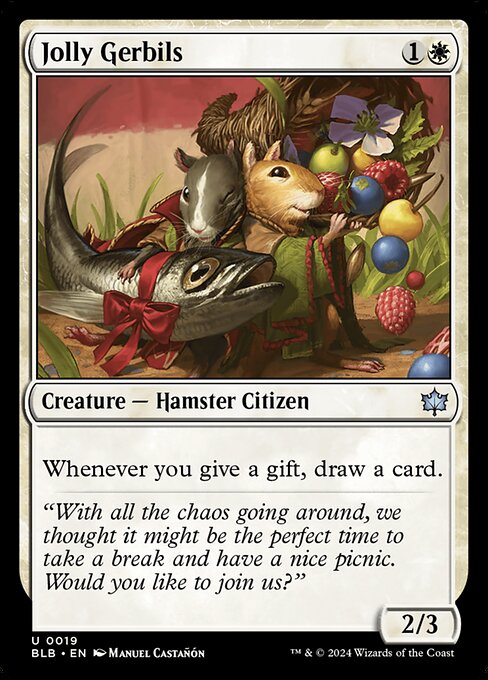
The easy cuts first, and I mean easy. Jolly Gerbils triggers when you give a gift and draws a card, but the gift mechanic appears on maybe three cards in this build and the Gerbils contribute nothing to the spell-chaining or counter-growth plan. Out. Bloodroot Apothecary is a toxic package card that distributes poison counters when opponents sacrifice non-creature tokens, which has zero interaction with anything Bumbleflower wants to do. Out. Fisher's Talent is a Class enchantment that creates Fish tokens based on land reveals, and while the level-three payoff is an 8/8 Octopus, it takes four turns and nine mana to reach that payoff. Not the plan. Out.
Steelburr Champion gains a +1/+1 counter whenever an opponent casts a noncreature spell, which sounds fine until you realize it's a 1/1 that accumulates counters on itself and distributes nothing, compounds nothing, and does not interact with your doubling package. Growing a 1/1 that attacks nobody and enables nothing is not a path to closing games. Out.
Octomancer creates token copies of tokens that entered this turn, which is genuinely cool, but it takes multiple turns to generate anything meaningful and contributes nothing to the spell-chain cadence. You need cards that work the turn they arrive. Out.
Secret Rendezvous is the one that hurts most to cut. You and an opponent each draw three cards, which sounds like charitable value until you run the math: they get three cards and you get three cards, and unless Smothering Tithe is already on the board, you are simply advancing their game as much as yours. Three mana for a symmetrical effect with no punishment rider is not good enough. Out.
Ghirapur Orrery is a trap. It gives everyone an extra land drop, and it draws three cards for players who empty their hands, which in practice means it rewards whoever empties their hand fastest. That is rarely you in a build that wants to hold cards. The symmetry works against you. Out.
Coveted Jewel is the cut players will argue about. Six mana to draw three cards sounds busted, and then you remember that any unblocked attacker steals it immediately, handing three cards and free mana to the aggro player across the table. In a deck where opponents already have full hands, this resolves and gets stolen on the very next attack. It is bait. Out.
Realm-Cloaked Giant, the Cast Off adventure destroys all non-Giant creatures, which includes your entire counter-growth package: your Forgotten Ancient, your Managorger Hydra, everything Bumbleflower has been building. Actively counterproductive to the gameplan. Out.
Dreamtide Whale mills opponents when you cast spells after playing a land, which competes thematically with the counter plan and shares zero synergy with anything you're keeping. The deck can't do both. Out.
Finally, the Thriving lands and any Temple that enters tapped. The spell-chaining plan needs mana the turn you want it. Replace these with basics and anything that enters untapped. Slow mana is the silent killer of any deck trying to chain two spells in one go.
Ramp and Counter Foundation Upgrades
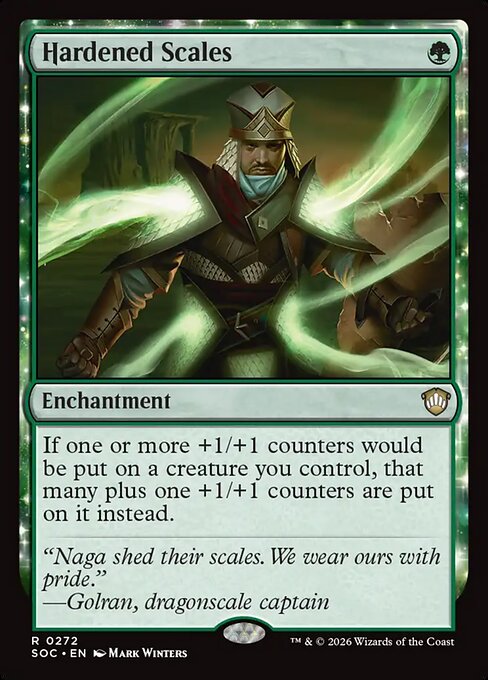
Here's the core thesis: Bumbleflower distributes one +1/+1 counter per trigger. That's fine in isolation. It's pretty cracked once you have counter doublers running. Hardened Scales turns every single counter placement into plus-one extra, so when Bumbleflower fires twice in a turn, that's four counters total across creatures instead of two. A one-mana green enchantment that doubles your commander's output, and it costs around two dollars.
Forgotten Ancient is the card I want people to understand, because its ceiling in this deck is genuinely insane. It accumulates a +1/+1 counter whenever any player casts any spell. In a full pod where everyone is casting spells and Bumbleflower is encouraging them to cast more, Forgotten Ancient arrives to your upkeep with eight to twelve counters on it. Then the second ability lets you redistribute those counters freely to any creatures you control. Turn five: Forgotten Ancient has eleven counters. You move eight to your Chasm Skulker and three to Managorger Hydra. Next turn Kalonian Hydra attacks and doubles everything. Boom. Does far more work than it looks, and it runs under three dollars.
Managorger Hydra does the same counter-accumulation trick as Forgotten Ancient but keeps its counters and has trample. In a multiplayer game, it grows to a 10/10 threat without you casting a single additional spell. Under two dollars and a genuine kill-on-sight threat once the table figures out what it does.
One swing with Kalonian Hydra when you have a Forgotten Ancient sitting on eight counters and a Managorger with five is a board state that closes games immediately. It enters with four counters and doubles everything whenever it attacks. The ceiling is very high and the ask is just one attack step. The splurge of this section at seven to nine dollars, but it earns the price tag every time it connects.
Rishkar, Peema Renegade is the quiet bridge that ties the whole section together. It enters and puts +1/+1 counters on up to two target creatures, and then every creature you control with any counter on it can tap to produce mana. Suddenly your Managorger Hydra and your Forgotten Ancient are mana sources. Under two dollars, and it functions as ramp and counter payoff at the same time.
Hardened Scales, Forgotten Ancient, Managorger Hydra, and Rishkar run about seven dollars combined. That is the highest-impact seven dollars in this entire guide.
Spell-Chaining and Draw Upgrades
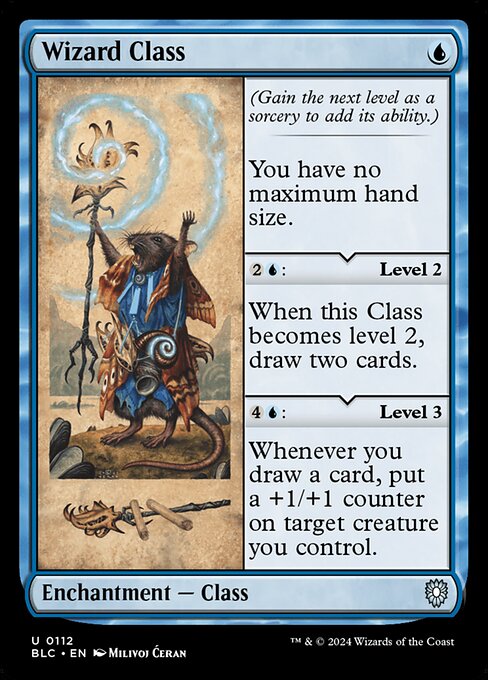
Wizard Class is the crown jewel of this section. Level one puts a +1/+1 counter on a creature you control whenever you draw a card. Bumbleflower draws you two cards on her second trigger, Faerie Mastermind draws you cards when opponents draw their second, Selvala draws everyone a card when you tap her. Every draw fuels the counter engine. Every counter fuels Simic Ascendancy. Level two makes all your spells cost one less, which means you're chaining spells faster and triggering Bumbleflower more. This card does twice the work of any other two-mana enchantment in this build. Quietly, it closes games.
Frantic Search, Snap, and Rewind are the three free spells that make the spell-chain engine actually reliable. Frantic Search draws two, discards two, and untaps three lands, after the untap you've spent zero net mana and triggered Bumbleflower's second-spell ability, plus the two draws feed Wizard Class twice. Snap bounces a creature and refunds itself on the untap. Rewind is the one you hold up to counter a threat: four lands come back, Bumbleflower still fires, you've spent nothing. The three together cost about five dollars and solve the core problem of the base deck: you now reliably cast two spells every turn.
Chasm Skulker grows fast here. Every card you draw adds a counter, and between Bumbleflower's second-trigger draws, Faerie Mastermind picking up cards on opponents' turns, and the enchantment class generating additional draw, the Skulker gets out of hand quickly. When it dies, it creates that many 1/1 Squid tokens with islandwalk. Opponents are stuck: kill it and hand you an army, or watch a 10/10 get bigger every turn. There's no clean answer to it, which is exactly what you want from a three-mana creature.
The Unagi of Kyoshi Island is the splurge option for this section. Flash, 5/5, and whenever an opponent draws their second card each turn, you draw a pair of cards. With Bumbleflower active and triggering those draws constantly, The Unagi starts drawing you cards per opponent per turn, that scales hard in a four-player game. The Waterbend ward ability means opponents have to spend four mana to successfully target it, with the option to tap their artifacts and creatures toward that cost. It sticks around. It draws cards. It does exactly what this deck needs from a top-end creature.
Psychosis Crawler closes the section as the drain finisher. Its power and toughness equal your hand size, and every card you draw makes each opponent lose one life. Cast Windfall with Psychosis Crawler in play and Bumbleflower active: everyone discards and draws new hands, and since you've been drawing all game, you draw the most cards, each opponent losing one life per card you draw. Psychosis Crawler turns the entire draw engine into a clock. The board doesn't need to be big. Your hand does.
Win Conditions and Interaction Suite
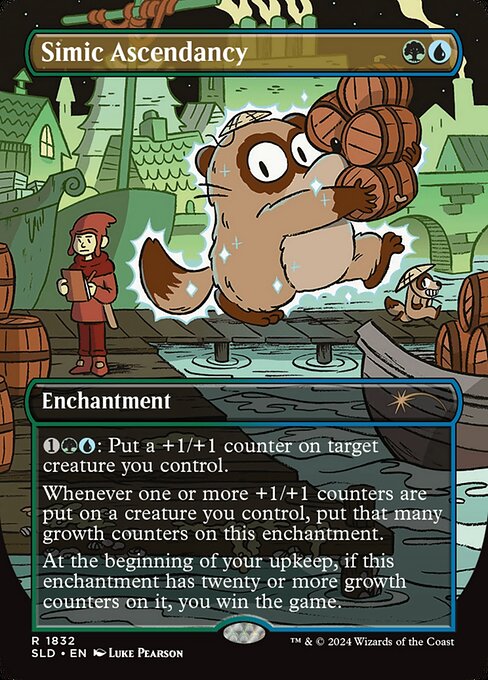
Simic Ascendancy is already in the precon, and if you've read this far, you understand why it's a legitimate path to victory rather than a background enchantment. With Hardened Scales on the board, every counter Bumbleflower puts out becomes two growth counters on Ascendancy. Forgotten Ancient redistributing eight counters in one upkeep feeds Ascendancy in the same action. Kalonian Hydra attacks and doubles your board's counters, and all of those doublings pile onto the enchantment. Twenty growth counters by turn seven is a realistic target in this build. Opponents cannot afford to ignore it and cannot afford to spend removal on it while your creatures are growing. It closes out games quietly, specifically in the games where your creatures get answered and opponents think they've stabilized.
Approach of the Second Sun is the safety valve for political tables that go very long. Cast it, gain 7 life, and the spell goes seventh from the top of your library. With Bumbleflower drawing extra cards off each second trigger, Faerie Mastermind pulling from opponents' draws, and the enchantment class generating card flow, you dig back into Approach faster than the table expects. Cast it a second time from hand and you win on the spot. It's the alternate finisher opponents forget to respect because it looks like a life gain spell on first cast. At slow tables, it answers a real problem.
Yuna, Grand Summoner is the new card from PW25 that this deck desperately needed. Her Grand Summon ability taps to add one mana of any color, and when you next cast a creature spell this turn, that creature enters with two additional +1/+1 counters on it. Every creature you cast through Yuna immediately feeds the Ascendancy's counter total. Her second ability is where it gets really good: whenever another permanent you control is put into a graveyard from the battlefield with one or more counters on it, you may put that many +1/+1 counters on a target creature. When your Forgotten Ancient eats a board wipe, all those accumulated counters move to your next threat instead of disappearing. She bridges the "survive until Kalonian Hydra doubles everything" plan with the counter-growth endgame in a way nothing else in the list does. Pretty cracked for a card that most players will underestimate on first read.
Spore Frog is the deck's cheapest piece of interaction: sacrifice it and prevent all combat damage this turn. It chains as a second spell for Bumbleflower's trigger, costs under $1.25, and the failure condition is that it's one-shot without recursion. Worth it regardless, especially on the turns where you're setting up and need one more swing phase to survive.
Someone alpha-strikes you during their declare attackers step. You cast Illusionist's Gambit. Their entire attacking army untaps, then must attack again and cannot attack you. They hit somebody else at full force. You redirected a lethal attack, probably created a blood feud between two other players, and spent forty-four cents to do it. That is the highest-impact political moment you can manufacture at a Commander table for under a dollar, and "does far more work than it looks" genuinely undersells it.
For players drawn toward the Foxglove path: Spark Double and Irenicus's Vile Duplication both create non-legendary copies of Mr. Foxglove, which means each copy triggers its attack ability separately. Two Foxgloves attacking generates two separate draws-equal-to-defending-player's-hand triggers and two separate cheat-a-creature-into-play triggers. That explosive card advantage engine is what makes Mr. Foxglove worth building around as the primary commander, and it's a completely different article.
Upgrade Path by Budget
The $25 Tier. Fixing the Foundation
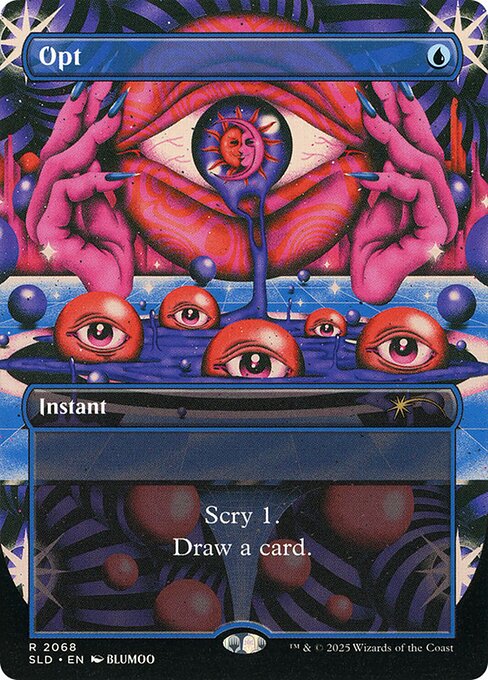
Hardened Scales (~$2) + Forgotten Ancient (~$3) + Managorger Hydra (~$2) + Rishkar, Peema Renegade (~$1) + Frantic Search ($0.50) + Rewind ($0.50) + Spore Frog ($1.25) + Illusionist's Gambit ($0.44). That's around twelve dollars for the eight highest-impact cards in this guide. The remaining thirteen dollars picks up Chasm Skulker (~$2), fills in the basics replacing cut tapped lands, and grabs Opt ($0.28) as cheap cantrip filler for spell-chaining. Stop here if you're testing the waters. This package alone solves the two core problems the deck ships with: the counter engine now compounds, and the spell-chain cadence is actually reachable.
The $50 Tier. The Draw Engine Goes Online
Add Wizard Class (~$3) + Psychosis Crawler (~$2) + Windfall ($5.20) + Approach of the Second Sun ($4.37) to what you bought in tier one. Propaganda, Jolrael, and Ghostly Prison are already in the box. At fifty dollars, the deck is drawing three to five cards a turn, Psychosis Crawler is draining each opponent a life for every card you draw, and you have a pair of alternate paths to victory in Simic Ascendancy and Approach. This is the sweet spot. The deck crosses from "fun precon" to "I have a real game plan and the table knows it." Every dollar above this is compounding a strategy that already works.
The $100 Tier. Full Package
Add Kalonian Hydra (~$8) + Snap ($3.65) + Yuna, Grand Summoner + The Unagi of Kyoshi Island to what you have at fifty. Wan Shi Tong is already in the box. At this level, the ceiling is genuinely explosive: Kalonian Hydra attacking into a board with Hardened Scales, Forgotten Ancient, and Kami of Whispered Hopes ends the game on the spot. Yuna ensures removed threats pass their counters along rather than losing them forever, her ability triggers whenever another permanent you control hits the graveyard with counters on it, not when she herself dies. The Unagi draws six cards a turn in a full pod. This is a bracket 3 deck that plays like one.
The honest verdict: spend the fifty. That's where Bumbleflower stops being a rabbit that hands opponents cards and starts being a rabbit that draws a handful every other spell while building an insurmountable board. The table stops laughing at turn four. The table starts reading your hand size at turn six. That's the deck.
And if you find yourself wanting to go faster, more explosive, more "win by turn seven or bust", that's the Mr. Foxglove path. Clone him twice, attack with three Foxgloves, draw thirty cards in a single swinging attack. That's a different guide, and it's worth your time if burst wins are your thing. But this one? This deck, fully built out at fifty dollars? Is an absolute blast to play, and I mean that. Pure counters, pure draws, pure Bant shenanigans.