Hexproof vs Shroud in Commander: What They Actually Block
One word in oracle text defines both keywords. Most Commander players are wrong about which threats it covers.


The Protection You Think You Have Isn't the Protection You Actually Have
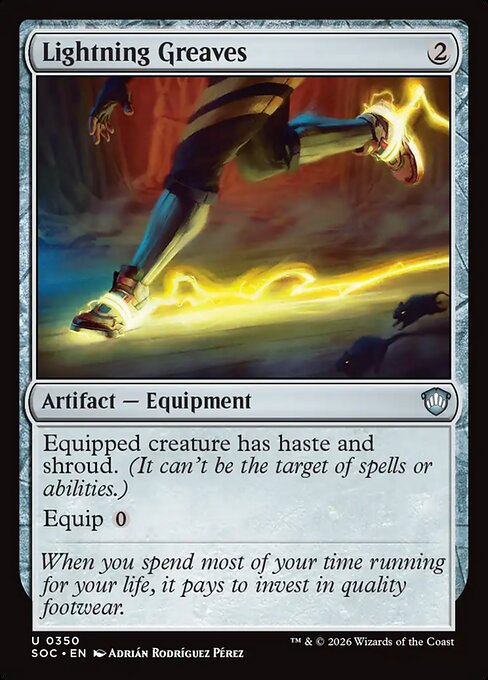
Here is the moment that happens at kitchen tables all the time. Your commander is on the battlefield. You equip Lightning Greaves. You lean back. Shroud is on, nobody can touch it, you are safe. Then someone casts Wrath of God and your commander goes to the graveyard with everyone else's creatures. You look up, confused, maybe a little defensive. "But it has shroud." Yes. And Wrath of God does not care.
Board wipes say "destroy all creatures." No targeting, no problem for hexproof or shroud. Elesh Norn, Grand Cenobite's static ability applies -2/-2 to every creature your opponents have simultaneously, with no targeting whatsoever. Your shrouded commander just gets smaller and dies. Hexproof and shroud only stop effects that use the word target in their text. That is the entire scope, and it does not extend to sweepers, static abilities, or anything else that affects the board without singling out a permanent.
That gap between "I have protection" and "I have protection against this specific category of threat" is where most keyword disputes live. Understanding it is the difference between a real safety net and a false sense of security.
Quick Answer
Hexproof stops opponents from targeting your permanents with spells or abilities. Shroud stops everyone, including you, from targeting the permanent. Neither keyword does anything against effects that do not use the word "target": sweepers, static abilities, forced-sacrifice effects, and voting effects all bypass hexproof and shroud entirely. The practical test: find the word "target" in the wording. If it is not there, these keywords are irrelevant.
One Word in the Card Text Does All the Work
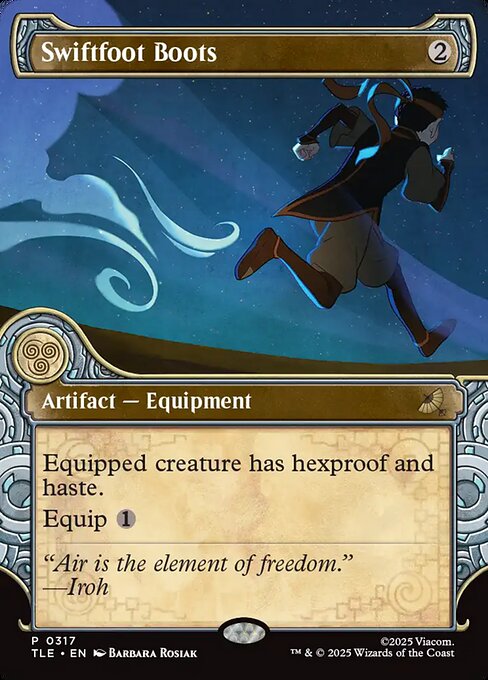
Read the reminder text on Swiftfoot Boots: "It can't be the target of spells or abilities your opponents control." That word "target" is the whole mechanism. Hexproof (CR 702.11b) means opponents cannot target the permanent. Shroud (CR 702.18a) means nobody can target it. The protection these keywords provide lives and dies with one word in the incoming effect's wording.
This produces one useful table-side heuristic. When a dispute breaks out, scan the printed text of whatever is trying to affect your creature. Is the word "target" there, in front of the description of what gets affected? Yes: hexproof and shroud are relevant. No: they do nothing. That is the test. It takes five seconds and it ends most arguments before they start.
The practical difference between Swiftfoot Boots and Lightning Greaves lives right here. Both grant haste and protection in the same keyword category, but shroud cuts both ways. Zero equip cost is a real speed advantage on Greaves, and then it immediately locks you out of targeting that creature yourself. Whispersilk Cloak has that problem too, with unblockable as a consolation prize. Try piling auras and equipment onto a shrouded creature and you'll feel the friction immediately. Hexproof never puts you in that position.
The Four Effect Types That Walk Right Past Both Keywords
Four categories of Commander effects bypass hexproof and shroud. Three of them show up in most 100-card lists, and they represent the most common removal in the format.
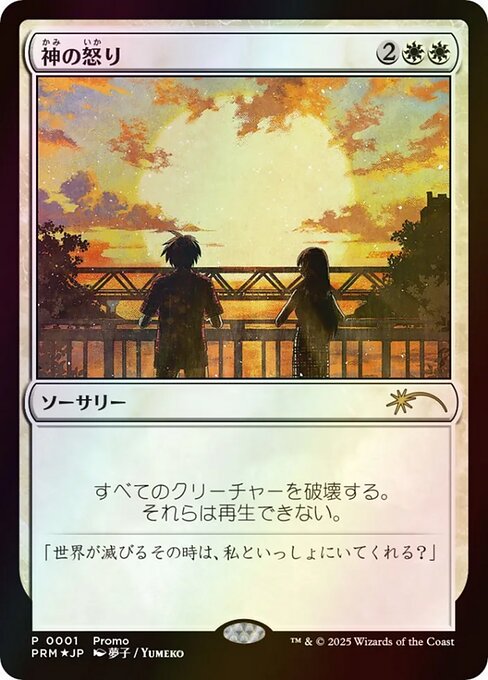
- Mass effects. Wrath of God says "destroy all creatures." Your commander dies with everyone else's. Hexproof and shroud are irrelevant when the spell never needed to pick a target in the first place.
- Static continuous abilities. Elesh Norn's text reads "Creatures your opponents control get -2/-2." The moment she's on the battlefield, every relevant creature just has less toughness. There's no trigger, no targeting, no resolution event that checks for protection keywords, it simply applies.
- Edict effects. Per CR 115.10A, "choose" is explicitly not "target." Fleshbag Marauder has each player sacrifice a creature of their choice; Sheoldred's Edict has each opponent do the same. A player deciding which creature to sacrifice is not targeting it. If your opponent's hexproof creature is the only one they control, it goes.
- Vote effects. Council's Judgment exiles a permanent as a result of votes, not a targeting instruction. Nobody singled out that permanent, it just accumulated the most votes and disappeared.
If you have been running hexproof as your only protection layer, this list is the reason that plan keeps failing you.
Shroud's Dirty Secret: It Locks You Out Too
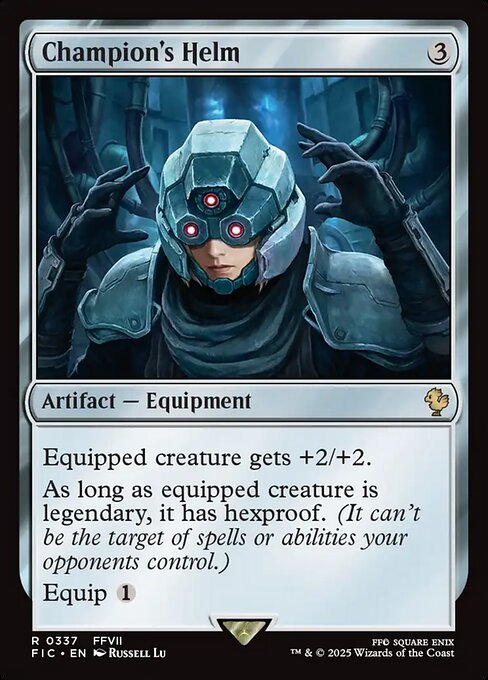
Consider the Voltron player who wants Lightning Greaves and Champion's Helm both attached to their commander. They cast Champion's Helm, go to equip it, and run directly into the problem. The equip activated ability says "attach to target creature you control." Shroud ignores who is doing the targeting. It blocks the equip activation just as it would block a Murder.
Most Voltron players learn this at the table the first time they try it. The correct sequence: move Lightning Greaves to a different creature (or sacrifice it to a sac outlet if you have one, then recast), equip Champion's Helm, then re-equip Greaves. It works. It is just three steps instead of one, and if you only have one creature on the battlefield, you cannot move Greaves at all until a second creature arrives.
Hexproof doesn't create this problem. Swiftfoot Boots, Champion's Helm, and any aura you cast all target your own creature freely. Hexproof only blocks what opponents do. Uril, the Miststalker is built around this: it has hexproof, which means opponents cannot target it, but you can freely enchant it with every aura in your hand all day long.
This exact frustration is why Wizards retired shroud as a design keyword. Playtesters kept trying to buff their own shrouded creatures and getting confused when they couldn't. Hexproof is what players thought shroud was. The rules history is basically a formal acknowledgment that the intuition was correct all along.
Hexproof Is Not Full Immunity. And Confusing the Two Costs Games
"Equip hexproof and your commander is protected." You have heard this. You may have said it. It is half right at best.
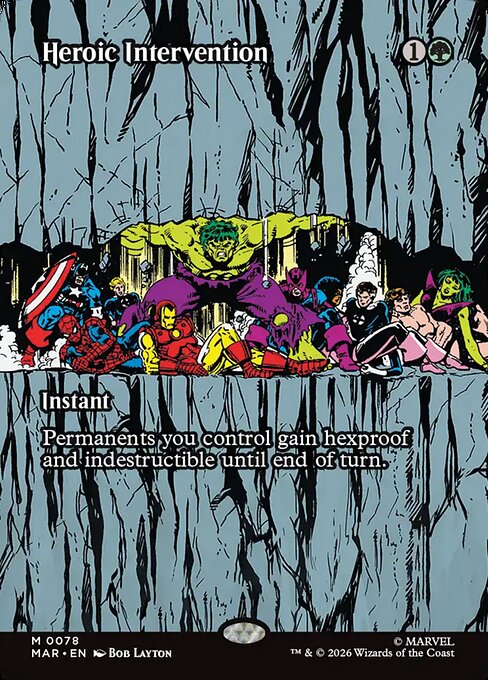
Mass removal is more common than spot removal at most tables. Heroic Intervention is a staple precisely because it grants hexproof and indestructible simultaneously. Hexproof answers Path to Exile. Indestructible answers Wrath of God. You need both because the threat categories are different. Running only one is like building a house with walls but no roof and calling it weatherproof.
The gold standard version of this on a creature is monstrous Fleecemane Lion. Once it becomes monstrous, it has hexproof and indestructible, which leaves opponents with two answers: sacrifice effects and -X/-X static abilities. Everything else bounces off. That combination is what "protected" actually looks like.
Even stacking those keywords has gaps. Sacrifice effects punch through. Elesh Norn's static -2/-2 punches through. For the sweeper gap specifically, the budget answer is phasing. Teferi's Protection phases out your entire board until your next turn, bypassing everything, for three mana. It doesn't get cheaper than that for the amount of work it does. If hexproof is what you run and Teferi's Protection is what you want, the cost difference is the ask. Whether that ask is worth it depends on what game you want to play.
When Your Opponent Has Hexproof: The Tech That Strips It

Your opponent drops Uril, the Miststalker or Invisible Stalker and starts stacking equipment. You have targeted removal in hand. Now what?
The two land-based answers are Arcane Lighthouse and Detection Tower. Both tap to remove hexproof from opponents' creatures until end of turn, at basically zero opportunity cost since they still tap for colorless mana. They are not identical, though. Arcane Lighthouse removes hexproof and shroud. Detection Tower only removes hexproof. If the creature you need to target has shroud rather than hexproof, Detection Tower won't help you. Know which one you are running and what it actually covers.
Shadowspear strips hexproof and indestructible with an activated ability, which matters when you want your removal to connect and your opponent's creature to stay dead. Glaring Spotlight handles the same ignoring-hexproof trick and can sacrifice itself to grant your board hexproof in a pinch, a reasonable two-for-one in the right spot.
The non-stripping alternative is using effects that ignore the keyword entirely. Sacrifice effects, mass removal, Council's Judgment, these bypass hexproof without fighting it. Braids, Arisen Nightmare generates recurring sacrifice pressure that hexproof cannot answer. Privileged Position shows you the other side: it grants hexproof to all your other permanents (notably not to itself, since its text says "other permanents"), and once someone resolves it, your whole board gets the protection your opponent has been hiding behind.
If your table has Voltron commanders in it, non-targeting removal belongs in your 99 as a structural decision, not a reactive tech slot.
The Five-Second Test That Ends Every Table Argument
Look at the printed text of the effect. Find the word "target." If it appears before the description of what gets affected, hexproof and shroud can stop it (for opponent-sourced effects). If "target" is absent, neither keyword does anything.
- Wrath of God: "Destroy all creatures." No "target." Those keywords are irrelevant. Your commander dies.
- Fleshbag Marauder: "Each player sacrifices a creature of their choice." No "target." The player chooses, not the spell. Hexproof and shroud change nothing here.
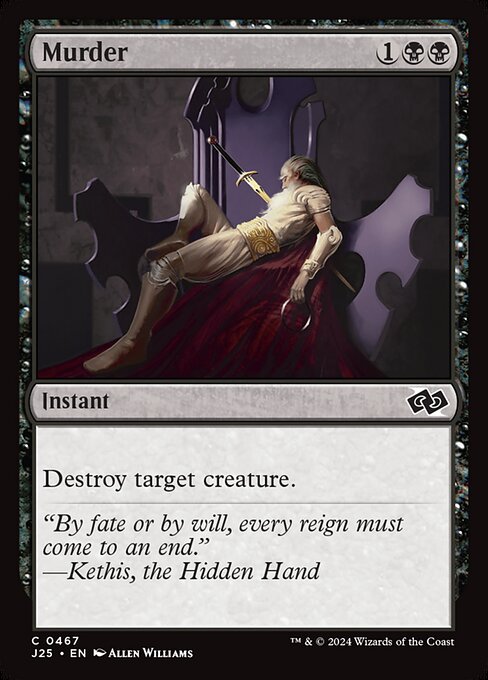
- Murder: "Destroy target creature." There it is. Hexproof blocks this. Shroud blocks this for everyone.
Lightning Greaves and Swiftfoot Boots each grant their respective protection. Run the test on whatever is coming at your creature. If you find "target," the boots work. If you don't, they don't, and no amount of table arguing changes that.
One design footnote worth knowing: ward does not prevent targeting. It taxes it. That is why ward creates less table friction than hexproof even though it achieves a similar protective function in practice. Your opponent can still target the creature; they just have to pay. That small interaction window is the design reason ward has largely replaced hexproof on new cards.
Hexproof Is a Layer, Not a Ceiling
Hexproof is the most overestimated protection keyword in Commander. Not because it is weak, it covers spot removal effectively. But players treat it like a ceiling when it is a single layer, and the builds that lean on hexproof hardest are the ones most punished when that layer fails.
The minimum complete setup looks like this: hexproof handles spot removal, and at least one board-wipe answer (indestructible equipment, phasing, or Heroic Intervention) handles mass removal. Two layers, two threat categories. If you only have one, you have half a plan.
Voltron is the archetype that gets this wrong most often. Auras pile up, equipment piles up, hexproof goes on the commander, and then one Fleshbag Marauder or one Wrath ends the whole project. A sac effect or a sweeper hits the exact threat category the deck never bothered to answer.
The controversial take: Lightning Greaves is still the better single-card protection pickup in most Commander games despite the equip-order headache. Zero equip cost means it comes down the turn your commander enters and costs nothing to move. No hexproof equivalent does that. But the moment you are stacking other equipment on that creature, Swiftfoot Boots needs to be in the deck alongside it. They do different jobs at different points in the game.
Stop asking "does my commander have hexproof?" Ask instead: which specific threat type is each layer of this setup designed to answer? If you cannot answer that for every piece you are running, the deck has a gap. Find it before your opponent does.
And if you want a parting permission structure: run whatever protection package makes sense for your table. But know what each piece actually covers before you lean back and assume you are safe.